The 2026 FIFA World Cup delivered a significant, immediate economic boost to its 16 North American host cities, validating expectations that the mega-event would heavily benefit local economies.
As the largest World Cup in history unfolded across North America, one thing became increasingly clear: major global events don’t just fill stadiums—they transform local economies.
According to Forbes, Bank of America’s recent consumer spending analysis shows a substantial increase of 6.3% in tourism-related spending in the 16 North American host cities, as travelers arrived from around the world to experience the tournament. Hotels, restaurants, attractions, transportation providers, and local businesses all benefited from an influx of visitors who were spending beyond match tickets and extending their stays to explore the communities hosting the event.
For destination organizations, the results reinforce an important truth: when destinations successfully capture visitor attention before, during, and after marquee events, the economic impact extends far beyond the event itself.
Visitors Are Spending More—and Staying Longer
While overall consumer spending increased in World Cup host cities, spending by visitors from outside the region has grown at an even faster pace. That distinction matters.
Unlike everyday local spending, tourism brings new dollars into a destination’s economy. Every hotel stay, restaurant reservation, attraction ticket, retail purchase, and transportation booking contributes to local businesses and supports jobs throughout the community.
These extended stays represent additional opportunities to showcase what makes a destination unique.
Events Bring Visitors. Destinations Create Memories.
The impact extends well beyond the stadium gates.
While the matches may be the reason for travel, much of the economic activity happens before kickoff and long after the final whistle.
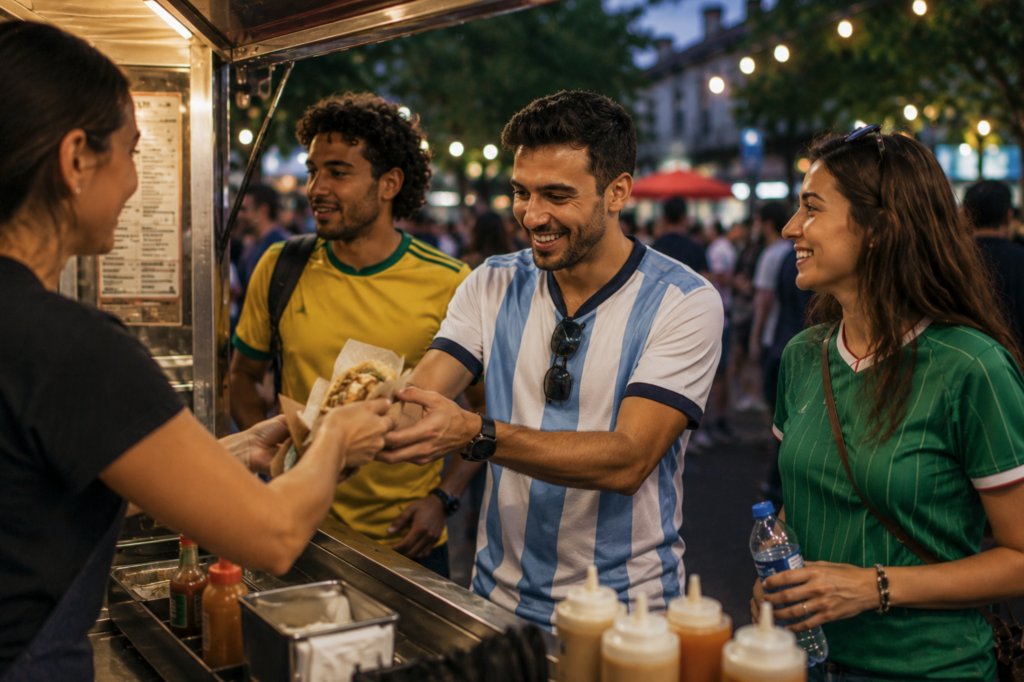
Many World Cup travelers have also chose to extend their visits, transforming a single sporting event into a broader travel experience. Instead of flying in for one match and immediately returning home, visitors explored neighborhoods, visited museums, discovered parks, dined at local restaurants, and experienced regional attractions.
For destination organizations, this reinforces the importance of making local businesses and experiences easy to discover throughout a visitor’s journey.
Bigger Events Create Bigger Opportunities
The expanded 2026 FIFA World Cup included 48 teams and more than 100 matches across multiple weeks, creating a continuous flow of travelers rather than one concentrated weekend of activity.
Instead of a single tourism spike, host communities experienced sustained visitation as fans moved between cities and matches throughout the tournament.
This extended travel window gave destinations multiple opportunities to engage visitors before they arrived, while they explored, and even after the event ended.
The Value of Long-Term Investment
Years of planning went into preparing host cities for the 2026 World Cup—from transportation improvements and public spaces to visitor services and digital infrastructure.
The economic results suggest those investments are already paying off.
While few communities will host an event on the scale of the FIFA World Cup, the lesson applies to destinations of every size: investing in the visitor experience before travelers arrive creates lasting economic value.
Looking Beyond the Tournament
The 2026 FIFA World Cup has offered a look at what happens when global events meet well-prepared destinations.
Visitors don’t just purchase tickets—they book hotel rooms, eat at local restaurants, discover attractions, shop at local businesses, and often stay longer than originally planned. The destinations that make those experiences easy to find and easy to enjoy are the ones that capture the greatest economic impact.
Whether it’s a world championship, a regional sporting event, a festival, or a convention, the opportunity remains the same: encouraging visitors to experience everything your destination has to offer.
To learn more about ITI Digital, visit itidigital.com.